Menu
- Sandra House, Moi Avenue, MOMBASA
- +254 741 300 400 | + 254 788 663 911
- info@gatimucargosolution.co.ke


Important Information on Shipping Services in Kenya
Kenya serves as a critical logistics and shipping hub in East Africa, thanks to its strategic geographic location and well-established infrastructure. As a gateway to the region, Kenya facilitates the movement of goods both domestically and internationally, connecting global trade networks to landlocked countries such as Uganda, Rwanda, South Sudan, and the Democratic Republic of Congo. Understanding Kenya’s shipping services, infrastructure, regulations, and key players is essential for businesses and individuals relying on efficient and cost-effective logistics solutions.
1. Key Shipping Infrastructure in Kenya
The Port of Mombasa is Kenya’s largest and busiest seaport, serving as the main entry and exit point for international cargo. Managed by the Kenya Ports Authority (KPA), the port handles containerized cargo, bulk cargo, and general goods. Its facilities include modern container terminals, warehousing, and equipment for efficient loading and offloading operations.
The Standard Gauge Railway (SGR), linking Mombasa to Nairobi and onward, has significantly improved cargo transportation efficiency. It provides a faster and cost-effective alternative to road transport, ensuring goods move inland and to neighboring countries seamlessly.
In addition to Mombasa, the Port of Lamu, under the Lamu Port-South Sudan-Ethiopia Transport (LAPSSET) Corridor project, has emerged as a new shipping hub. It aims to ease congestion at Mombasa and create a direct link to South Sudan and Ethiopia.
Kenya’s inland container depots (ICDs) in Nairobi, Naivasha, and Eldoret play a vital role in decongesting ports and offering storage and distribution services. These facilities allow importers and exporters to clear cargo closer to their destinations, saving time and reducing costs.
2. Shipping Services Available
Kenya’s shipping industry offers a wide array of services to accommodate the diverse needs of businesses and individuals:
- Container Shipping: Containerized cargo dominates Kenya’s imports and exports. Shipping lines offer Full Container Load (FCL) and Less than Container Load (LCL) options, catering to different shipment sizes.
- Bulk Shipping: Bulk shipping services cater to large-scale transport of raw materials, agricultural products, and industrial goods. These services include both liquid bulk (oil, fuel) and dry bulk (grains, cement, coal).
- Freight Forwarding: Freight forwarders play a crucial role in Kenya’s shipping industry. They handle customs documentation, cargo consolidation, and coordination between shipping lines, ports, and clients.
- Door-to-Door Delivery: Shipping companies offer end-to-end logistics solutions that include pick-up, shipping, customs clearance, and final delivery to the recipient’s doorstep.
- Air Freight Services: For time-sensitive and high-value cargo, air freight services provide a faster alternative to sea shipping. Nairobi’s Jomo Kenyatta International Airport (JKIA) serves as the main air cargo hub.
- Customs Clearance: Clearing and forwarding agents assist with navigating Kenya’s customs regulations, helping businesses comply with documentation and duty requirements to avoid delays.
3. Regulations and Customs Requirements
To ensure smooth shipping in Kenya, it is essential to adhere to regulations set by the Kenya Revenue Authority (KRA), the Kenya Ports Authority, and other government agencies. Key requirements include:
- Import Documentation: Importers must provide key documents such as the Bill of Lading (BOL), Commercial Invoice, Packing List, Import Declaration Form (IDF), and Certificate of Conformity (CoC) for goods.
- Customs Duties and Taxes: Goods entering Kenya are subject to customs duties, Value Added Tax (VAT), and other levies depending on the nature and value of the cargo. Importers must calculate and pay these charges promptly to avoid demurrage.
- Restricted and Prohibited Goods: Certain goods, such as hazardous materials, counterfeit items, and specific agricultural products, face restrictions or outright bans. It is critical to verify compliance before shipping.
- Clearing Process: Partnering with licensed clearing and forwarding agents ensures goods clear customs efficiently while complying with all legal requirements.
4. Challenges in Kenya’s Shipping Industry
Despite significant improvements, Kenya’s shipping services face challenges that stakeholders must navigate:
- Port Congestion: The Port of Mombasa often experiences delays during peak periods, causing shipment backlogs. Investments in automation and expansion aim to address this issue.
- High Costs: Shipping and logistics costs can be high due to taxes, handling fees, and transportation charges. Businesses must optimize supply chains to remain competitive.
- Infrastructural Gaps: While the SGR and port improvements have enhanced logistics, parts of Kenya still lack sufficient road and rail infrastructure, hindering last-mile delivery.
- Customs Delays: Lengthy customs processes and bureaucratic hurdles may delay cargo clearance, particularly for businesses unfamiliar with regulations.
- Regional Dependencies: As Kenya serves landlocked neighbors, disruptions in the supply chain (such as border delays) can impact regional trade flow.
5. Opportunities and Future Outlook
The future of shipping services in Kenya is bright, with several opportunities and improvements on the horizon:
- Port Expansion: Ongoing developments at the Port of Mombasa and the new Lamu Port will boost Kenya’s cargo handling capacity and reduce delays.
- Technology Adoption: Innovations like digital customs clearance systems, real-time cargo tracking, and automated warehouses are revolutionizing Kenya’s logistics industry.
- Integration of Rail Transport: Continued expansion of the SGR and better integration with ports will lower costs and speed up inland cargo movement.
- Green Shipping Initiatives: Growing demand for sustainable logistics solutions is encouraging investments in eco-friendly transport systems.
- Regional Trade Opportunities: Kenya’s position as a key player in the African Continental Free Trade Area (AfCFTA) presents opportunities for increased trade volumes and expanded shipping services.
Conclusion
Kenya’s shipping industry remains a cornerstone of trade and economic growth, connecting businesses to global markets and supporting regional development. With its robust infrastructure, strategic location, and growing adoption of technology, Kenya continues to play a critical role in East Africa’s logistics sector. While challenges such as port congestion, customs delays, and infrastructural gaps persist, ongoing investments and innovations are positioning Kenya as a leading logistics hub.
For businesses and individuals relying on shipping services, partnering with experienced logistics providers, understanding customs requirements, and leveraging modern solutions are key to navigating the industry effectively. By staying informed and embracing opportunities, stakeholders can benefit from Kenya’s dynamic and evolving shipping ecosystem.
Our Services at Gatimu Cargo Solution Ltd

Consultancy Services
Consultancy Services designed to address specific challenges faced by businesses in the transport and logistics industry.
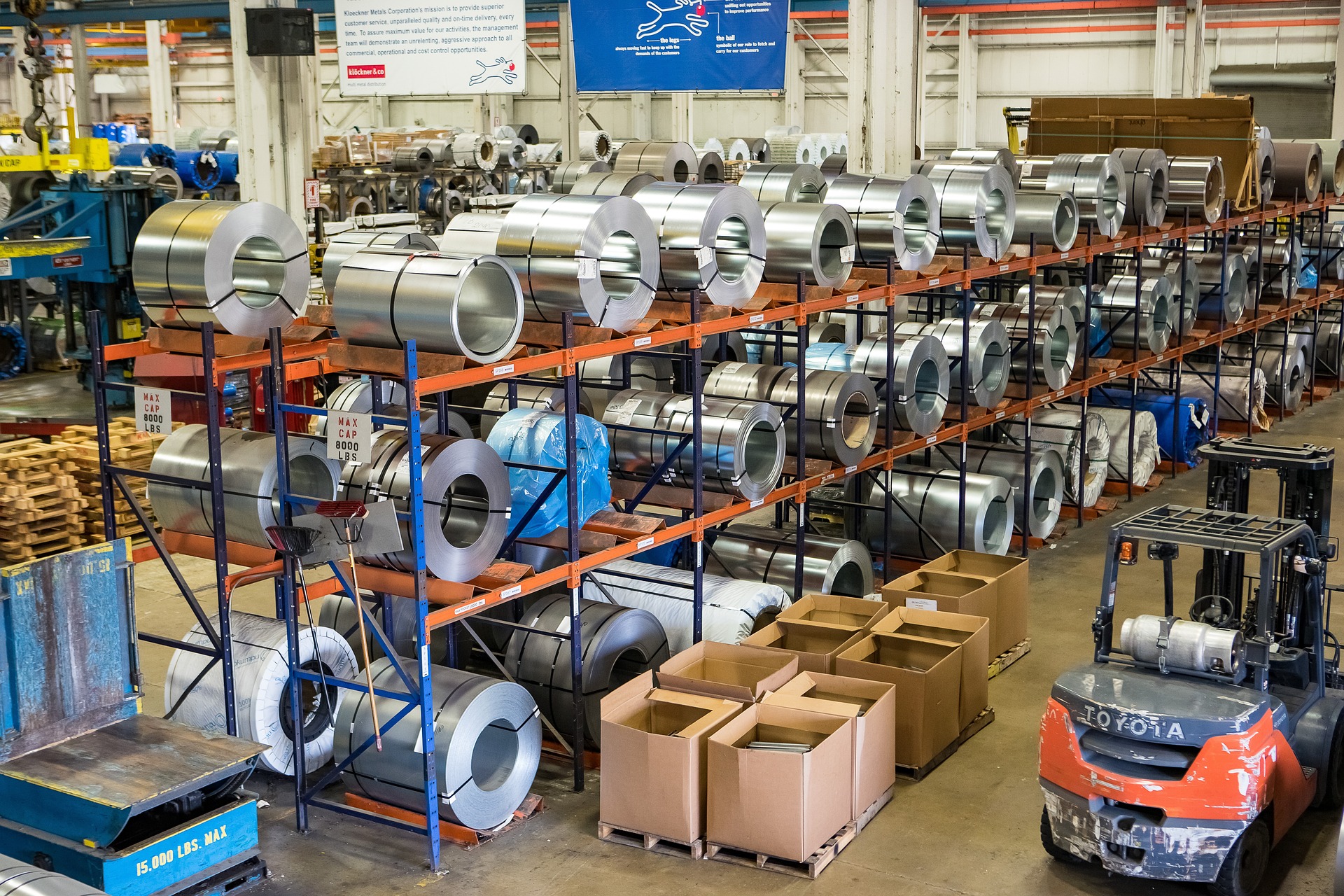
Warehousing
Warehousing – We provide comprehensive warehousing services designed to enhance supply chain efficiency and support the diverse storage needs of our clients
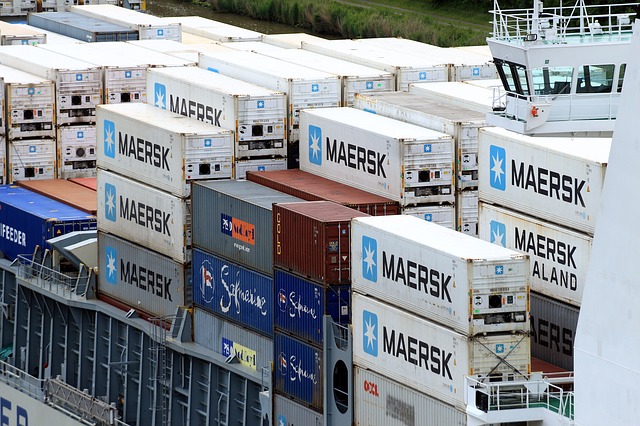
Container Handling
Container Handling – we offer expert container handling services, ensuring the safe, efficient, and timely management of containers throughout the logistics process

General Supplies
General Supplies – Gatimu Cargo Solution Limited is a versatile company specializing in transport, logistics, and general supplies.

Transport and Logistics
Transport and Logistics – We are a dynamic transport and logistics company dedicated to providing reliable and efficient cargo solutions
The Gatimu Cargo Solution Ltd is a leading service provider based in Mombasa, Kenya, specializing in a wide range of logistics and port services. Strategically located near the bustling Port of Mombasa, the company is dedicated to offering efficient, reliable, and customer-focused solutions tailored to meet the dynamic needs of clients in the shipping, trade, and logistics industries.
The company
The Gatimu Cargo Solution Ltd is a leading service provider based in Mombasa, Kenya, specializing in a wide range of logistics and port services. Strategically located near the bustling Port of Mombasa, the company is dedicated to offering efficient, reliable, and customer-focused solutions tailored to meet the dynamic needs of clients in the shipping, trade, and logistics industries… Read More
Contacts
- Sandra House,
- Moi Avenue, Mombasa
- P.O. Box 93138 - 80102 Mombasa
- +254 741 300 400 | + 254 788 663 911
- info@gatimucargosolution.co.ke
Scroll To Top